


NEWS
-
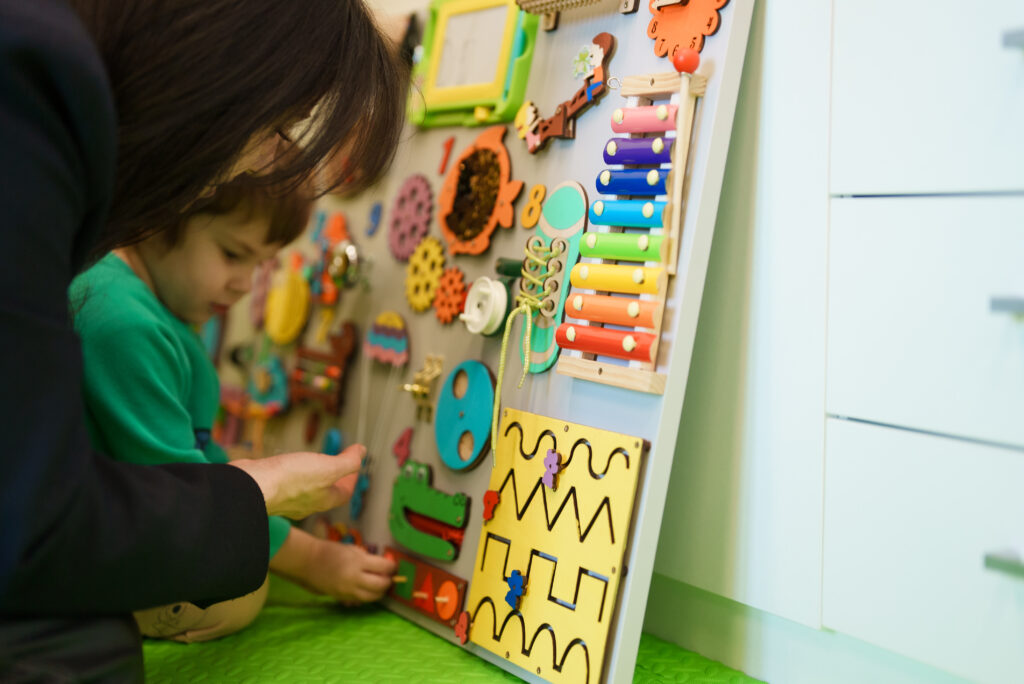
How Early Intervention Changed Sasha’s Life
Just a few months ago, three-year-old Sasha did not respond to his name and would suddenly run away from his mother during walks. He avoided eye contact, could not focus even for a short time, and struggled with everyday routines.
-
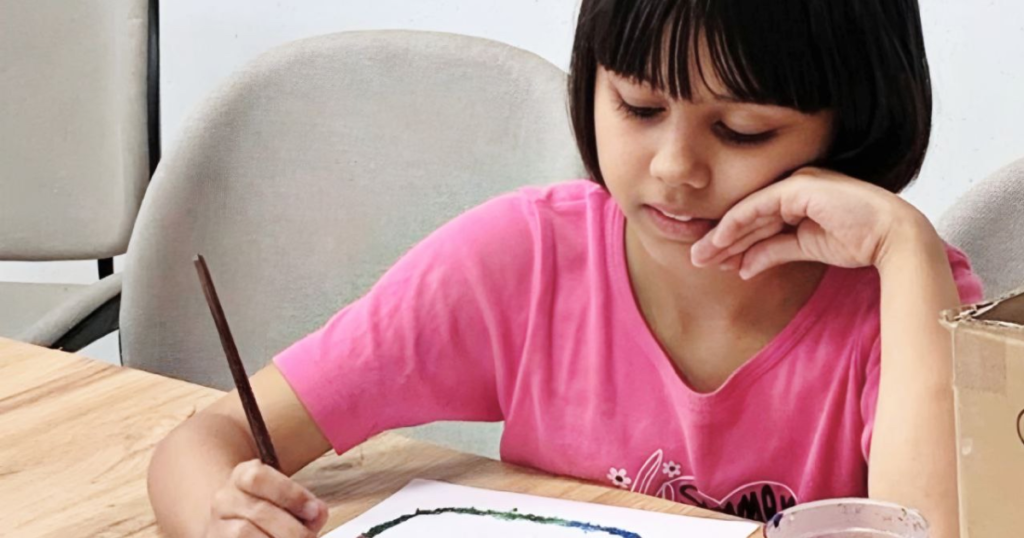
Diana’s journey
When 8-year-old Diana first came to our Hope and Healing Center, she barely spoke. She avoided eye contact, hesitated to raise her hand even when she knew the answer, and felt overwhelmed in any unfamiliar space.
-
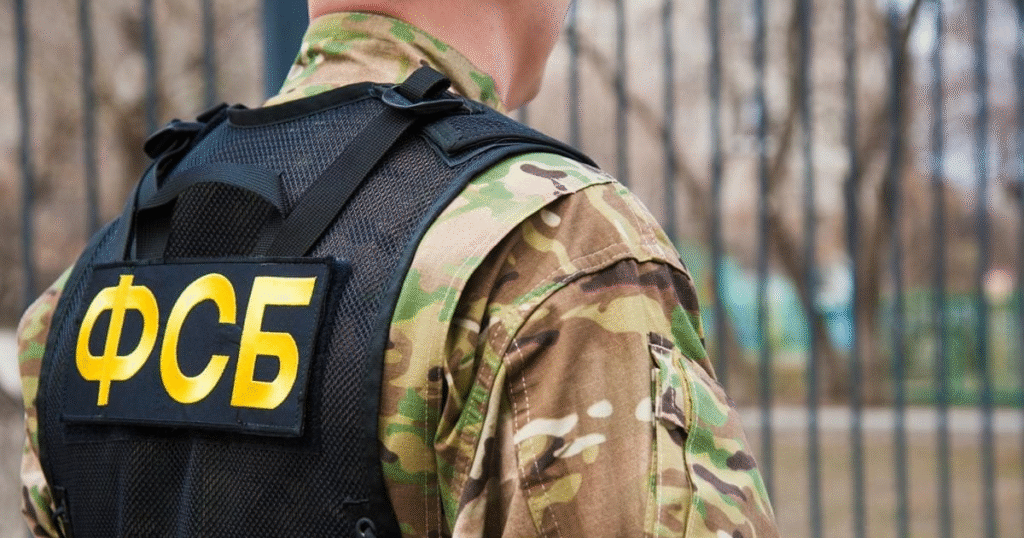
“They Woke Me with Rifles”: Maksym’s Story
Imagine being a teenage boy shaken awake by masked soldiers demanding you unlock your phone — while the barrel of a rifle is pointed at your face.
-
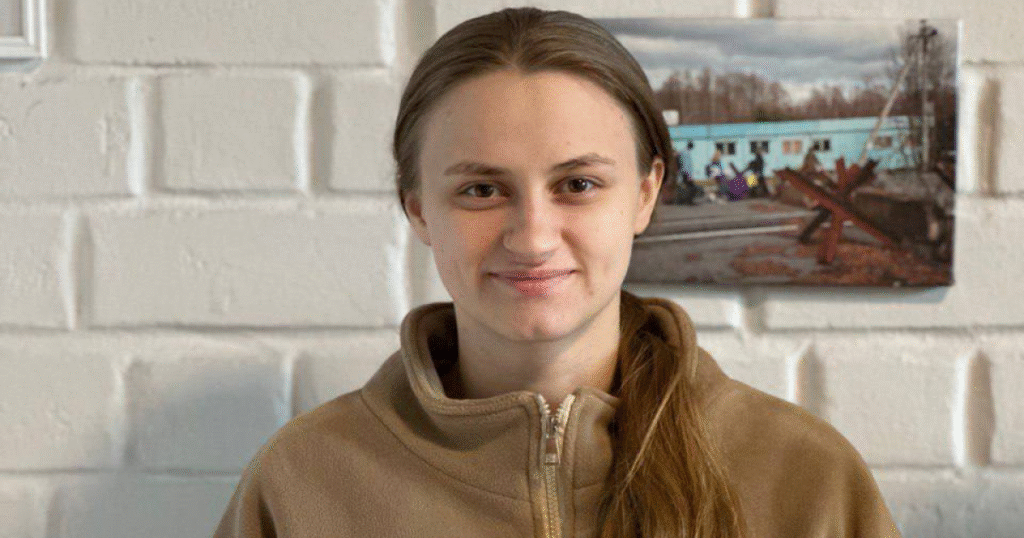
Escaping the russian trap: Vitalina’s story
Vitalina was only 15 when her life split into a “before” and “after.” Rubizhne was burning under relentless shelling.
-

A Mother’s Faith Amid Occupation
She lived in a small coastal city in southern Ukraine.
-
She Began to Hear and Discover the World
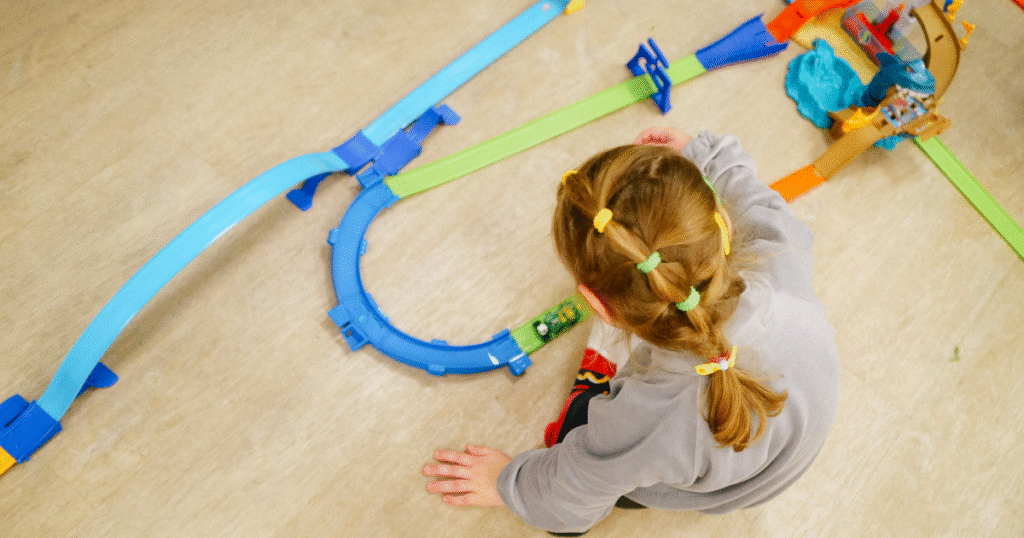
When we first met Zlata, she was just over a year old. She didn’t respond when called by name, didn’t react to voices, and didn’t reach out to the other children around her. Her parents were worried — could these be the early “red flags” of autism? But Khrystyna, a specialist from our Early Intervention Program, supported the family and advised them to undergo a medical examination.
-
To this day, we don’t know where our pare...
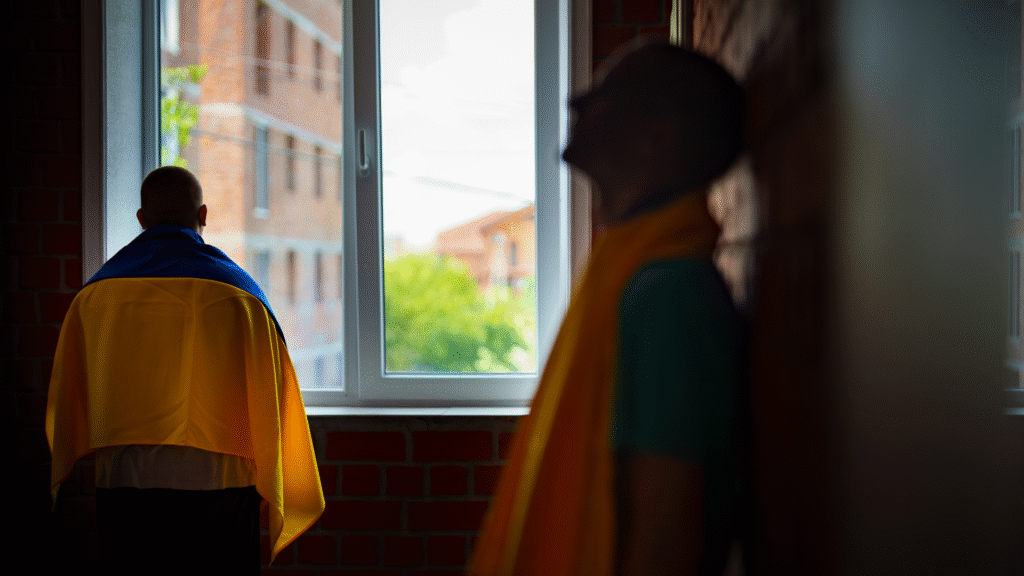
Two brothers from southern Ukraine — Denys and Marko saw Russian forces storm their home, put a bag over their mother’s head, and take her away.
-
Every child deserves to be heard
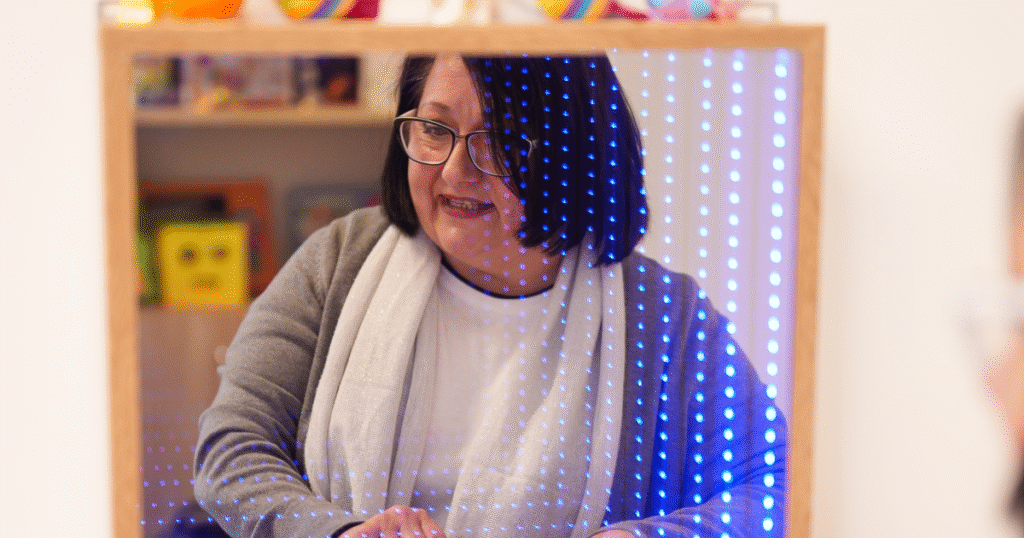
That woman is Iryna Hordinets, a speech therapist with over 35 years of experience. She works with children who have experienced occupation, displacement, or developmental challenges — including autism, selective mutism, and trisomy 21.
-
Nazar’s small big win
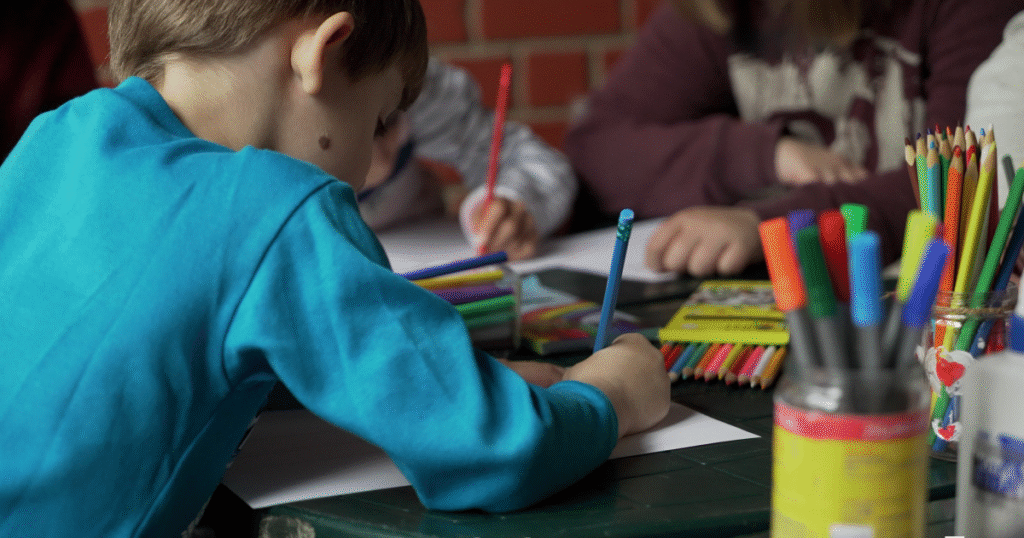
When Nazar was diagnosed with autism spectrum disorder, words were scarce. He avoided peers and couldn’t name what he felt.
Contact us
-
Address6 Herzen St, Kyiv
-
Save Ukraine US228 Park Ave S, PMB 396196 New York, New York 10003-1502 US
-
Phone+38 044 333 81 29
-
Emailinfo@saveukraineua.org
Subscribe to our newsletter
Sign up here to receive our bi-weekly newsletter
Click to subscribe