


NEWS
-
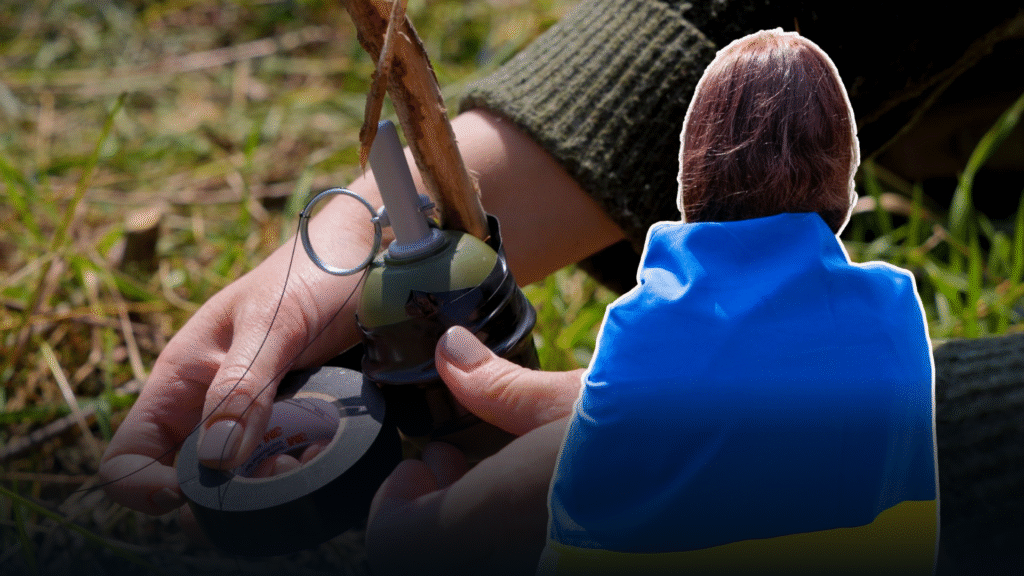
Sofiia’s Story
“They threw grenades at us — to make it feel real.”
That’s how Sofia describes her “training” at a Russian so-called “youth camp.”
-
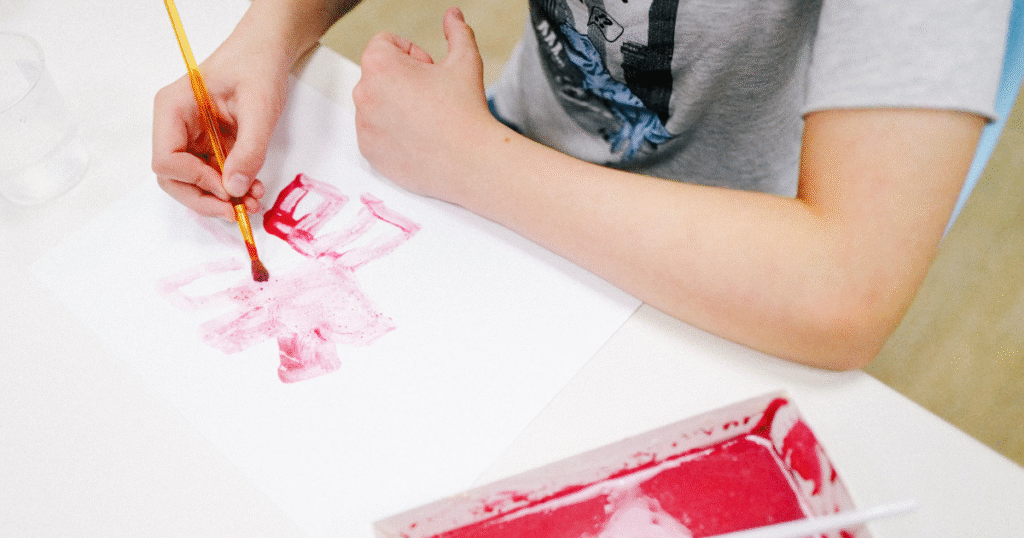
How Andrii took his first step toward hea...
He dreams of building airplanes and robots — and he holds on to that dream even during blackouts and air raid sirens.
-

What Rescued Children Most Often Draw
Even when therapists encourage them to draw “anything they like,” again and again, they choose to draw a house.
-
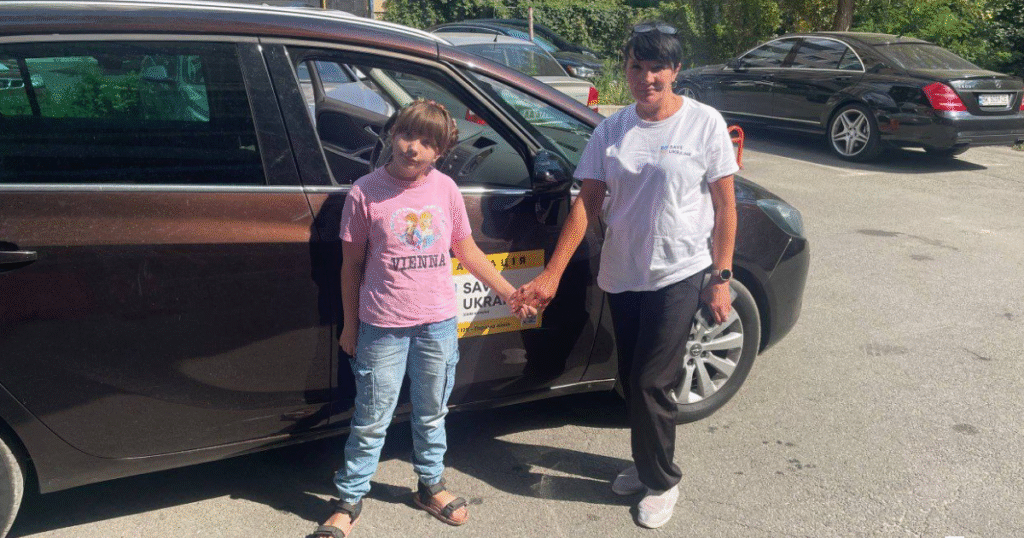
From survival to rebuilding: Olena’s story
In Ukraine’s Donetsk region, a shell ripped through the roof of Olena’s house, where she and her 10-year-old daughter Vika were hiding. Miraculously, they survived.
-
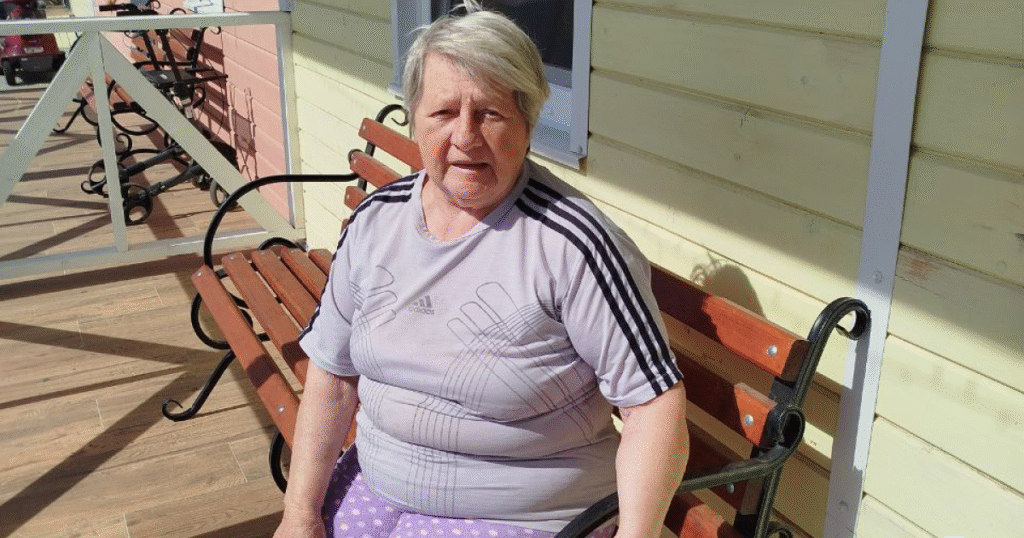
How care restores strength: Mrs. Larysa’s...
At 78, Mrs. Larysa had spent her entire life in Kharkiv region. When Russia’s full-scale invasion began, her village fell under occupation.
-
What does real resistance look like?
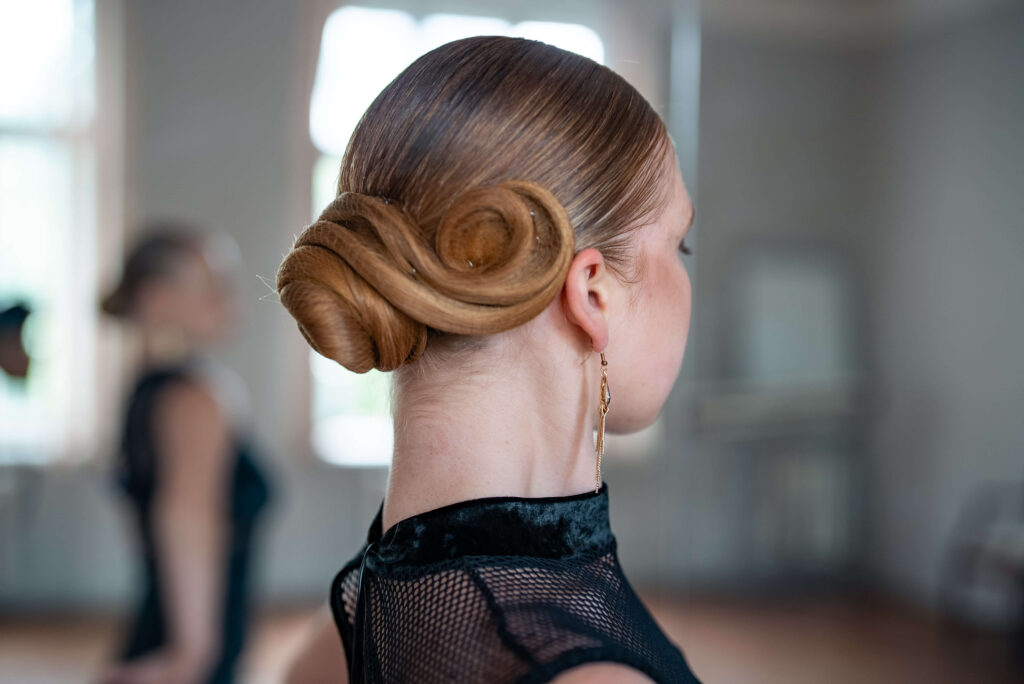
She fought back the only way she could — by excelling at studies, debating teachers, and refusing to sing Putin’s anthem or carry the Russian flag.
-
Back to School in Ukraine? Not for everyone
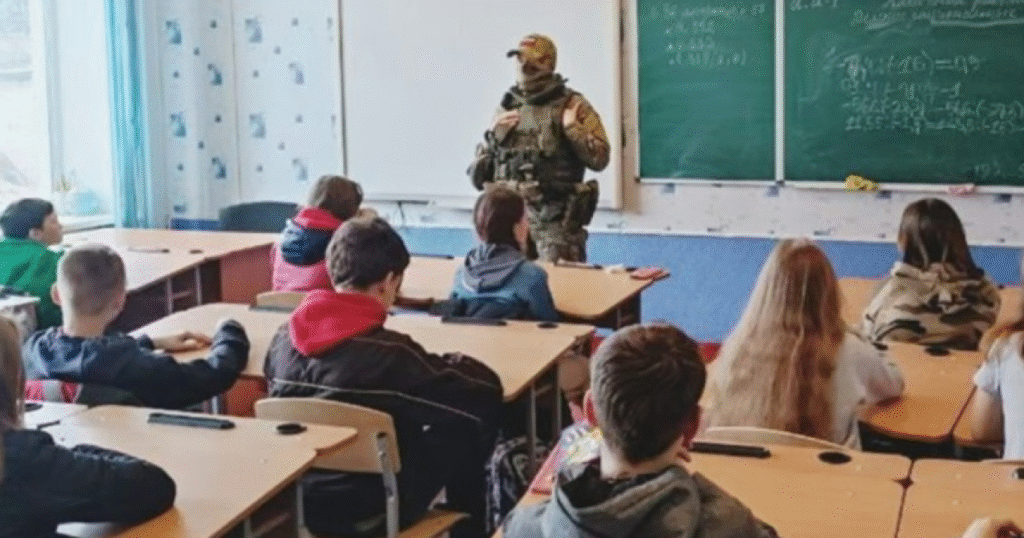
Ukrainian children in occupation were hiding Wi-Fi routers and whispering their lessons so no one would hear them speaking their own language.
-
Ukrainian children`s stolen under Russian...
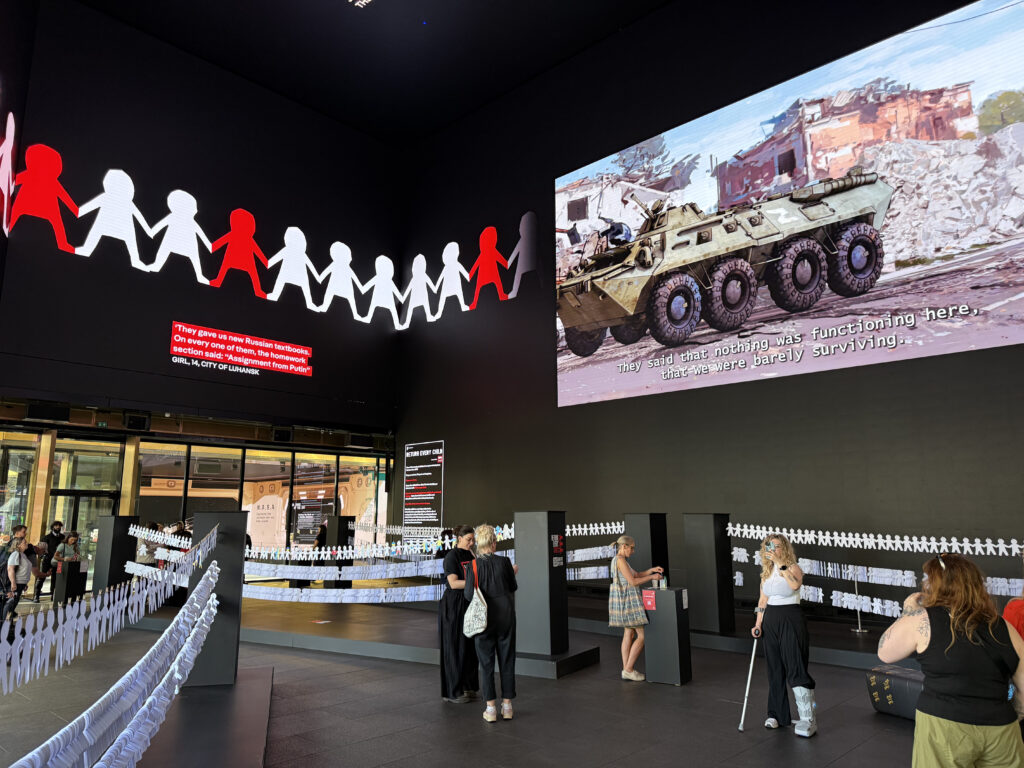
In the heart of London, War Child UK within campaign with Save Ukraine has created a powerful interactive installation.
-
How color restored a child’s trust
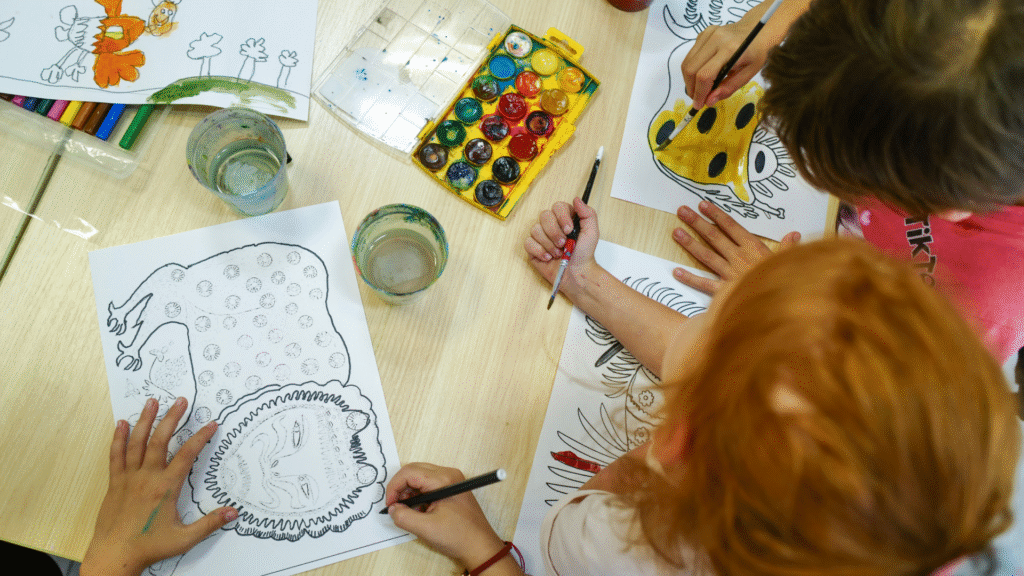
At our foundation, art therapy is widely used in working with children rescued from temporarily occupied territories.
Contact us
-
Address6 Herzen St, Kyiv
-
Save Ukraine US228 Park Ave S, PMB 396196 New York, New York 10003-1502 US
-
Phone+38 044 333 81 29
-
Emailinfo@saveukraineua.org
Subscribe to our newsletter
Sign up here to receive our bi-weekly newsletter
Click to subscribe